
US House Votes to Curb Trump's Iran War Powers, Senate Blocks Similar Measure
AI-assisted original article by One News Desk, based on reporting from GMA News Online. Featured image credited to the source.
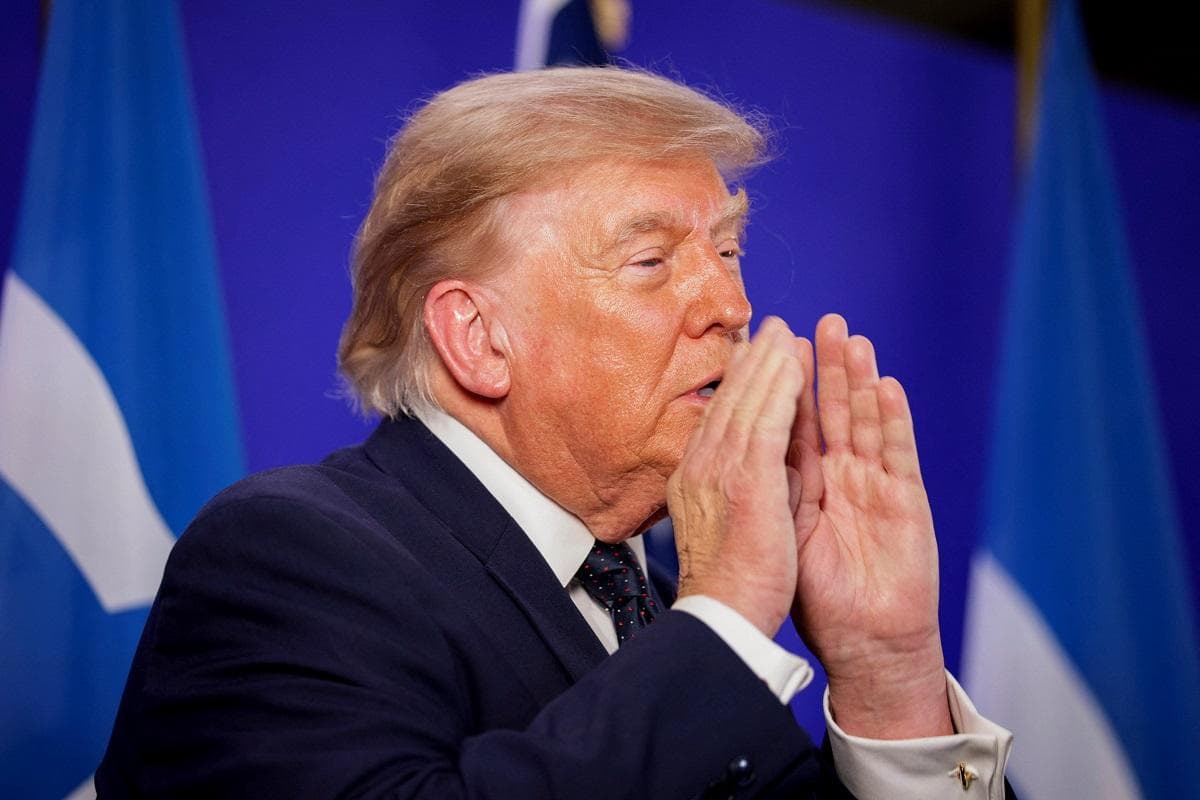
The U.S. House of Representatives passed a resolution on Thursday aimed at limiting President Donald Trump's military actions against Iran, requiring him to seek congressional approval before engaging further in hostilities. The resolution, which passed with a narrow margin of 214-208, reflects a growing bipartisan frustration with the ongoing conflict that many lawmakers believe lacks a clear mission or strategy.
Introduced by Representative Pramila Jayapal, a Democrat from Washington, the resolution directs Trump to withdraw U.S. Armed Forces from military operations against Iran unless Congress grants authorization. While the House's decision is largely symbolic and does not carry the force of law, it marks a significant rebuke of the president's approach to the conflict. Similar resolutions have been passed in recent months, but they have not resulted in a halt to military actions.
Four Republicans crossed party lines to support the resolution: Tom Barrett of Michigan, Brian Fitzpatrick of Pennsylvania, Warren Davidson of Ohio, and Thomas Massie of Kentucky. Their votes indicate a growing concern among some members of the GOP regarding the war's direction and the administration's handling of military engagements.
In contrast, the Senate voted later the same day to block a similar war powers measure, with a vote tally of 49-47. The Senate's procedural vote saw Republican Senator Susan Collins of Maine joining Democrats in favor of the resolution, while Democratic Senator John Fetterman of Pennsylvania sided with Republicans against it. Notably, four senators did not participate in the vote, highlighting the contentious nature of the issue.
The contrasting outcomes in the two chambers underscore the divisions within Congress regarding the war in Iran. Trump's Republican majority in both the House and Senate remains slim, and the votes reflect a growing unease among lawmakers about a conflict that was initially framed as a swift operation aimed at compelling Iran to capitulate. Instead, it has evolved into a protracted engagement with increasing casualties and escalating military actions.
Recent developments have further complicated the situation. Trump has announced a significant increase in military operations against Iran, following the deaths of U.S. service members. On Thursday, he vowed to deliver "major military punishment" to Iran and its Houthi allies after the Yemeni fighters targeted two Saudi oil tankers in the Red Sea, marking a dangerous expansion of the conflict.
The ongoing hostilities have intensified in the wake of the collapse of an interim truce that had aimed to bring an end to the war. The U.S. military has conducted a series of airstrikes against Iranian targets, prompting retaliatory actions from Iran, including attacks on U.S. bases in neighboring countries. This cycle of violence raises concerns about the potential for further escalation in the region, as lawmakers grapple with their constitutional responsibilities regarding war powers.
As the situation develops, the House's resolution serves as a reminder of the increasing pressure on the Trump administration to justify its military actions in Iran. With midterm elections approaching, lawmakers from both parties are keen to position themselves on record regarding an unpopular war that many Americans oppose. The House's action may also set the stage for future legislative efforts to rein in presidential war powers, particularly as Congress prepares to address funding for the government and military in the coming months.