
Trump Implements New Tariffs on 60 Trading Partners Amid Forced Labor Allegations
AI-assisted original article by One News Desk, based on reporting from GMA News Online. Featured image credited to the source.
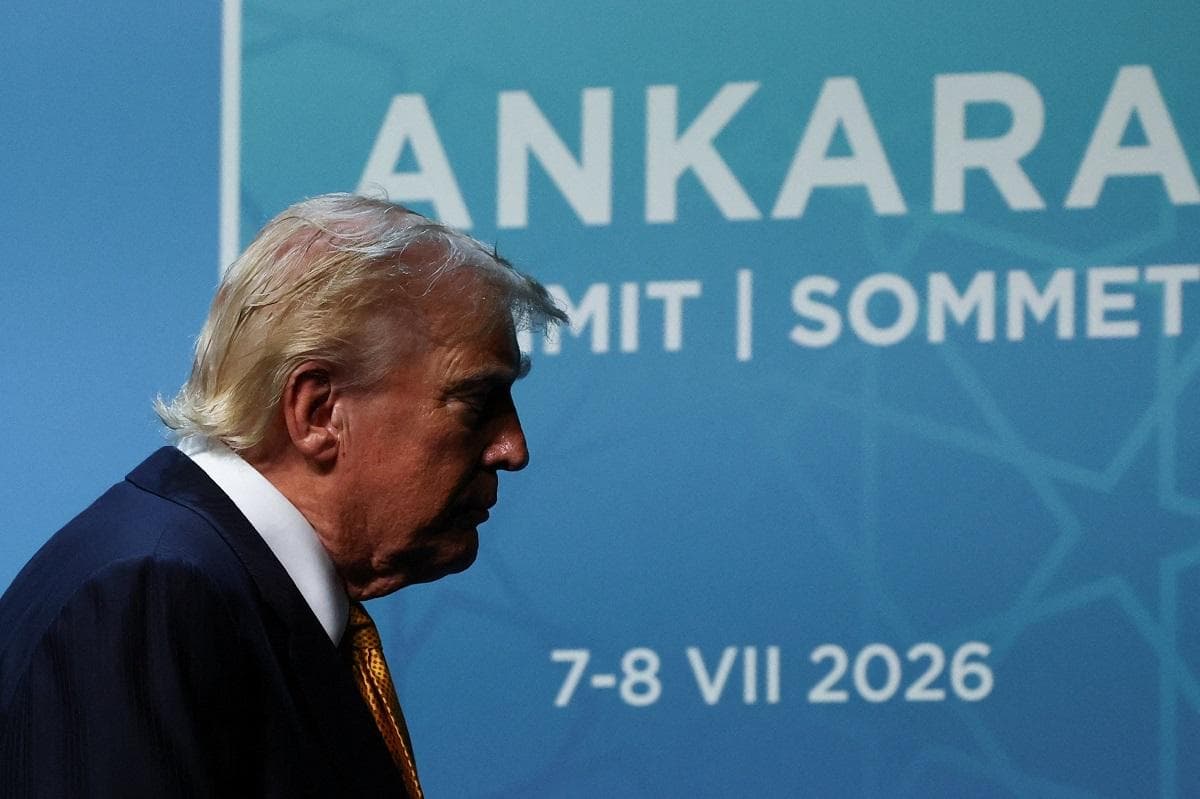
The Trump administration has enacted new tariffs on goods from 60 trading partners, including major economies like the European Union and China, in response to allegations of insufficient enforcement of forced labor bans. This decision comes as a temporary 10% global tariff expired, marking a significant shift in U.S. trade policy.
The new tariffs, which are set at 10% and 12.5%, were announced in a Federal Register notice and took effect immediately after the expiration of the previous tariffs. These duties cover nearly all U.S. imports, though certain products such as oil, gas, and specific food items are exempted. This move is part of the administration's strategy to maintain a tariff floor on imports despite a recent Supreme Court ruling that struck down previous tariffs imposed under a national emergencies law.
U.S. Trade Representative Jamieson Greer emphasized the importance of enforcing forced labor bans, stating, "The United States has had a forced labor import ban for nearly a century, and rigorously enforces it. It’s well past time for our trading partners to do the same." He noted that the new tariffs aim to address both human rights abuses and trade distortions, ultimately benefiting workers globally.
The tariffs were imposed under Section 301 of the Trade Act of 1974, which has historically faced fewer legal challenges compared to other trade measures. This legal framework allows the administration to implement tariffs while navigating the complexities of international trade law. The new duties are expected to face less scrutiny than those previously invalidated by the Supreme Court.
Countries affected by the new tariffs include Argentina, Bangladesh, and Vietnam, among others. Notably, Vietnam has recently enacted stricter regulations against forced labor, while China continues to face accusations regarding the treatment of Uyghur minorities, which the Chinese government denies. The U.S. has indicated plans to restore tariffs on Chinese goods to 20%, as previously agreed upon in a trade truce with Chinese President Xi Jinping.
The announcement of these tariffs has sparked immediate backlash from several trading partners. European Union foreign policy chief Kaja Kallas criticized the rationale behind the tariffs, arguing that EU labor laws provide better protections than those in the U.S. Australia and Brazil have also condemned the tariffs as unjustified, while Canada has expressed a desire to engage constructively with the U.S. regarding the new measures.
Former White House trade adviser Kelly Ann Shaw noted that while the new tariffs align with prior expectations, they include adjustments such as the addition of products to an exclusion list. She described the economic impact of these tariffs as largely consistent with existing trade dynamics, particularly for partners with negotiated tariff caps.
A senior official from the Trump administration defended the new tariffs, asserting that they are not merely a replacement for the expired tariffs but rather a necessary step to address forced labor in global supply chains. This official highlighted the U.S.'s commitment to enforcing stricter import bans compared to other nations, which they argue gives foreign competitors an unfair advantage.
Legal experts suggest that the new tariffs may be more resilient against court challenges due to the historical strength of Section 301. Trade lawyer Ryan Majerus indicated that the administration has significant flexibility in adjusting these duties, which are designed to maintain a baseline tariff level while addressing forced labor concerns.
In summary, the Trump administration's latest tariff measures reflect a renewed focus on labor practices in international trade, aiming to hold trading partners accountable while navigating the complexities of global economic relations. As these tariffs take effect, the administration will likely continue to monitor their impact on both domestic and international fronts.