Marcos Economic Outlook Meets Mixed Reality, A Year After SONA 2025
AI-assisted original article by One News Desk, based on reporting from GMA News Online. Featured image credited to the source.
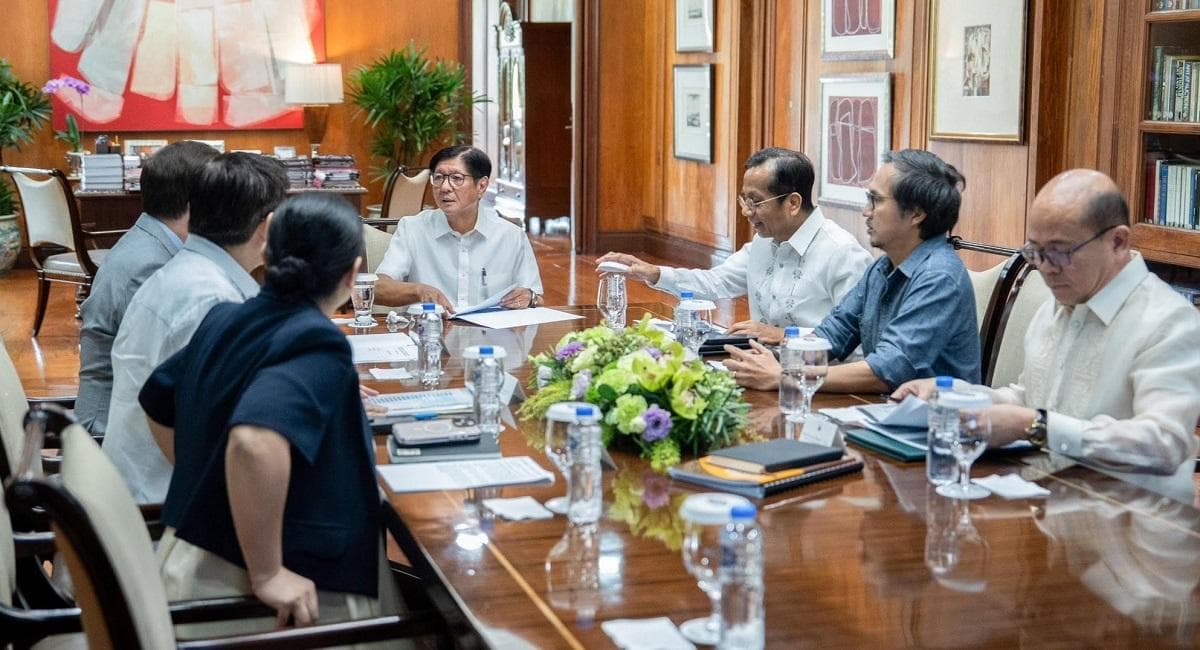
A year after President Ferdinand "Bongbong" Marcos Jr. delivered his State of the Nation Address (SONA) in 2025, the Philippines has achieved a significant milestone by being classified as an upper-middle-income economy. This classification reflects an increase in gross national income (GNI) per capita, marking a notable achievement for the nation. However, the economic landscape presents a mixed picture, with various indicators revealing both progress and challenges.
In his SONA last year, Marcos expressed optimism about the Philippine economy, highlighting improvements in inflation, employment, and business confidence. He stated, "Kung datos lang ang pag-uusapan, maganda ang ating ekonomiya, tumaas ang kumpiyansa ng mga negosyante. Bumaba ang inflation, dumami ang trabaho." (If we look only at the data, our economy is doing well. Business confidence has increased. Inflation has eased, and employment has grown.) Despite this positive outlook, he cautioned that these statistics would be meaningless if the everyday struggles of the Filipino people continued unabated.
Fast forward to 2026, and while the Philippines has reached its upper-middle-income status, inflation has surged to 6.4% in June, up from 1.4% in the same month last year. This increase, although slightly lower than May's 6.8%, remains above the target range set by the Bangko Sentral ng Pilipinas (BSP), which aims for inflation between 2% and 4%. The rise in inflation has been largely attributed to escalating global oil prices, exacerbated by ongoing conflicts, particularly the tensions between the United States and Iran. As a net fuel importer, the Philippines declared a national energy emergency in March due to disruptions in the Strait of Hormuz, a critical passage for global oil supply.
The country's gross domestic product (GDP) growth also reflects a downward trend. In the second quarter of 2025, the economy grew by 5.5%, but this figure dropped to 2.8% in the same quarter of 2026, marking the weakest growth since the COVID-19 lockdowns in early 2021. Economic managers have revised their growth targets downward, now estimating a range of 3.5% to 4.5%, down from the previous 5% to 6%. Economy and Planning Secretary Arsenio Balisacan noted that the impact of a corruption scandal related to flood control projects has hindered government spending, alongside the ongoing crisis in the Middle East affecting fuel prices.
Infrastructure spending, a critical component of economic growth, has also seen a significant decline. Data from the Department of Budget and Management (DBM) revealed that infrastructure and capital outlays fell to P41.5 billion in April 2026, a staggering 52% decrease from P85.8 billion in the same month the previous year. This decline marks the tenth consecutive month of reduced spending, attributed to the fallout from the corruption scandal, which has extended payment processing times.
Despite these challenges, there are signs of cautious optimism among business leaders. The overall business confidence index (CI) was recorded at 28.2% in the second quarter of 2025, indicating a positive outlook. However, the latest data shows a shift to a negative CI of -25.2% in May 2026, although this represents an improvement from -35.8% in April. Expectations of increased consumer spending have contributed to this slight recovery in sentiment, with the BSP noting that business sentiment improved in May as corporate earnings are anticipated to rise.
Foreign direct investment (FDI) inflows have also taken a hit, falling to $250 million in April 2026, down from $611 million in March and $607 million a year earlier. This figure represents the lowest level of FDI in nearly a decade, highlighting concerns about the investment climate in the Philippines. FDI data includes investments from foreign entities in Philippine companies where they hold at least a 10% stake, reflecting the confidence of international investors in the local economy.
As the Philippines navigates these economic challenges, the government aims to bolster infrastructure and enhance spending in the latter half of the year. Officials remain hopeful that improvements in government spending and infrastructure development will help stabilize the economy and restore business confidence. The coming months will be crucial for the Marcos administration as it seeks to address the pressing issues facing the nation and ensure that economic growth translates into tangible benefits for the Filipino people.