
Major Oil Price Hikes Loom as Global Tensions Rise
AI-assisted original article by One News Desk, based on reporting from GMA News Online. Featured image credited to the source.
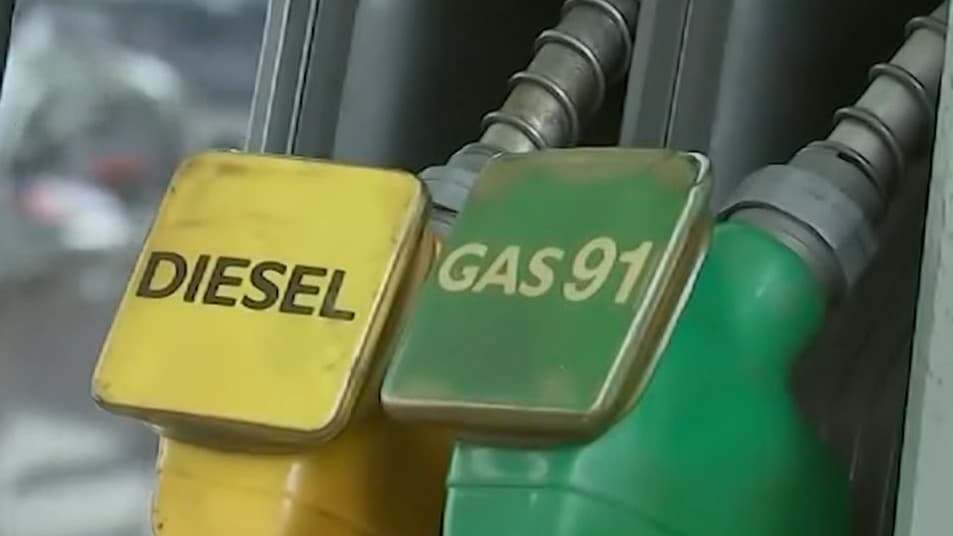
Motorists in the Philippines are preparing for another significant increase in fuel prices, set to take effect next week. According to estimates from an oil industry source, the adjustments will see diesel prices rise by between P6.00 and P6.50 per liter, while gasoline prices are expected to increase by P5.50 to P6.00 per liter. This anticipated hike follows a series of price adjustments that have already impacted consumers throughout the year.
The recent surge in oil prices is attributed to escalating global tensions, particularly in the Middle East. The Strait of Hormuz, a crucial passage for oil shipments, remains largely closed to vessel traffic, raising concerns about potential disruptions to oil supply. Additionally, heightened security risks in the Bab el-Mandeb Strait have further exacerbated fears regarding global energy supplies and trade routes beyond the Persian Gulf. These geopolitical factors have contributed to a rebound in world oil prices, prompting the upcoming price adjustments.
Fuel companies in the Philippines typically announce their price changes every Monday, with the new rates implemented the following day. This week, effective July 21, oil firms raised pump prices significantly: gasoline prices increased by P3.50 to P3.65 per liter, diesel prices surged by P10 to P10.68 per liter, and kerosene prices rose by P11.60 to P11.77 per liter. These adjustments mark the 29th price movement of the year, reflecting ongoing volatility in the global oil market.
The cumulative effect of these price hikes has resulted in substantial net increases for consumers. Since the beginning of the year, the total net increase stands at P49.92 per liter for gasoline, P50.43 per liter for diesel, and P48.39 per liter for kerosene. This trend underscores the impact of international market fluctuations on local fuel prices, which are heavily influenced by global supply and demand dynamics.
Energy officials have expressed concern over the potential for further price increases in the coming weeks, particularly if geopolitical tensions continue to escalate. The situation in the Middle East remains fluid, and any additional disruptions to oil supply could lead to even higher prices at the pump. As a result, consumers are advised to brace for continued volatility in fuel costs.
In light of these developments, the Department of Energy (DOE) has been monitoring the situation closely. The agency has urged oil companies to consider staggering their price increases to mitigate the financial burden on consumers. However, such measures are voluntary, and it remains to be seen how retailers will respond to the DOE's request.
As the country grapples with rising fuel prices, the implications extend beyond just transportation costs. Higher fuel prices can lead to increased operational costs for businesses, which may ultimately be passed on to consumers in the form of higher prices for goods and services. This ripple effect raises concerns about inflation and the overall economic impact on households.
In summary, the anticipated oil price hikes next week are a reflection of ongoing global tensions and their direct influence on local markets. With the situation in the Middle East remaining precarious, consumers should remain vigilant and prepared for potential further increases in fuel costs. The coming weeks will be critical in determining how these dynamics play out in the Philippine market and what measures, if any, will be taken to alleviate the financial strain on motorists.