
78% of Filipino Workers Use AI, But Worry About Weaker Thinking
AI-assisted original article by One News Desk, based on reporting from Philstar.com. Featured image credited to the source.
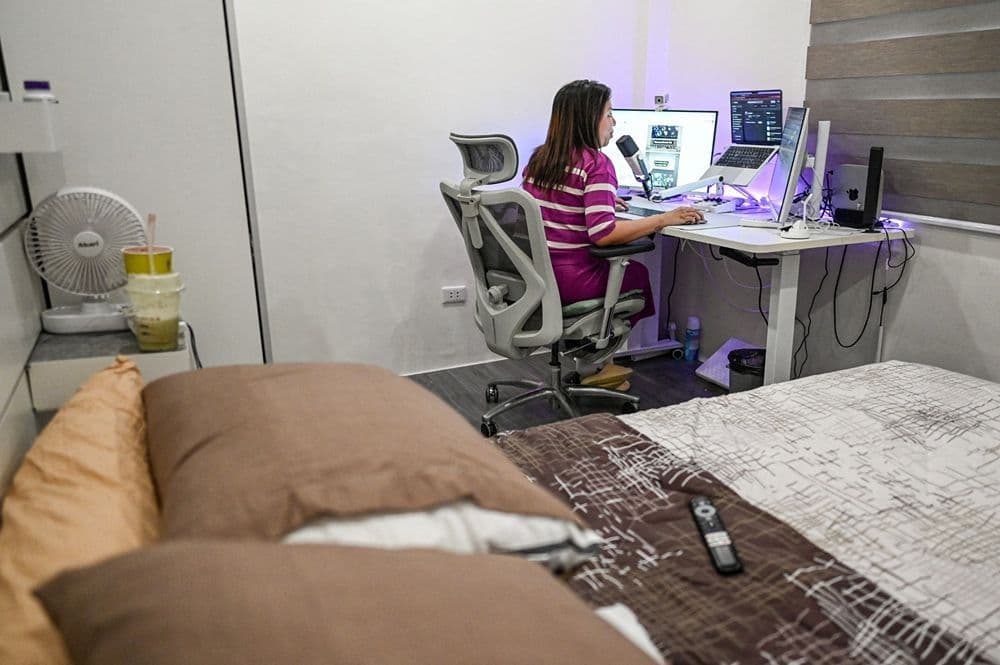
Artificial intelligence (AI) has increasingly integrated into the daily routines of Filipino workers, prompting discussions about its impact on cognitive abilities. A recent study conducted by Sprout Solutions, a software-as-a-service company, reveals that 78% of employees across 13 industries in the Philippines utilize AI in their work. This study surveyed 3,516 Filipino workers between May 8 and May 29, highlighting both the benefits and concerns associated with AI usage in the workplace.
The findings indicate that among those who employ AI, 27% use it primarily for communication and interaction, while 23% rely on it for information processing. Additionally, 16% of respondents utilize AI for decision-making, and 12% for various computer and digital tasks. These statistics underscore the growing reliance on AI tools to enhance productivity and streamline workflows.
Despite the advantages, many workers express apprehension regarding the potential negative effects of AI on their cognitive skills. The study suggests that while AI can alleviate mental burdens, there is a fear that over-reliance on these technologies may diminish critical thinking abilities. "Employees want AI to enhance, not erode, their thinking abilities," the report states, reflecting a common sentiment among the workforce.
The research also correlates frequent AI usage with increased productivity and reduced stress levels. Workers reported that higher output driven by AI is linked to greater recognition in their roles, suggesting that the technology not only improves performance but also enhances the overall employee experience. This recognition may contribute to a more positive work environment, as employees feel valued for their contributions.
Moreover, the study indicates that AI is evolving from a mere assistant to a significant decision-making tool. Employees who utilize AI for making decisions report lower stress levels, suggesting that AI may help alleviate the cognitive pressure associated with complex decision-making processes. This shift in how AI is perceived and used in the workplace marks a significant transformation in employee dynamics.
Despite the widespread adoption of AI, workers generally feel secure in their jobs. A report from the International Labour Organization (ILO) highlights that approximately 12.7 million workers in the Philippines are exposed to generative AI, the highest figure among ASEAN nations. However, it also notes that 3.6% of jobs in the country are highly exposed to generative AI and face potential displacement risks.
The ILO's research emphasizes that the most substantial impact of generative AI on the Philippine labor market is likely to be the transformation of existing jobs rather than outright automation. This transformation could lead to productivity gains and improved employment quality, suggesting that while AI may change the nature of work, it does not necessarily equate to job loss.
As AI continues to evolve, the challenge for Filipino workers will be to balance the benefits of these technologies with the need to maintain and enhance their cognitive skills. The ongoing dialogue about AI's role in the workplace will be crucial in shaping policies and training programs that ensure workers are equipped to thrive in an increasingly automated environment.